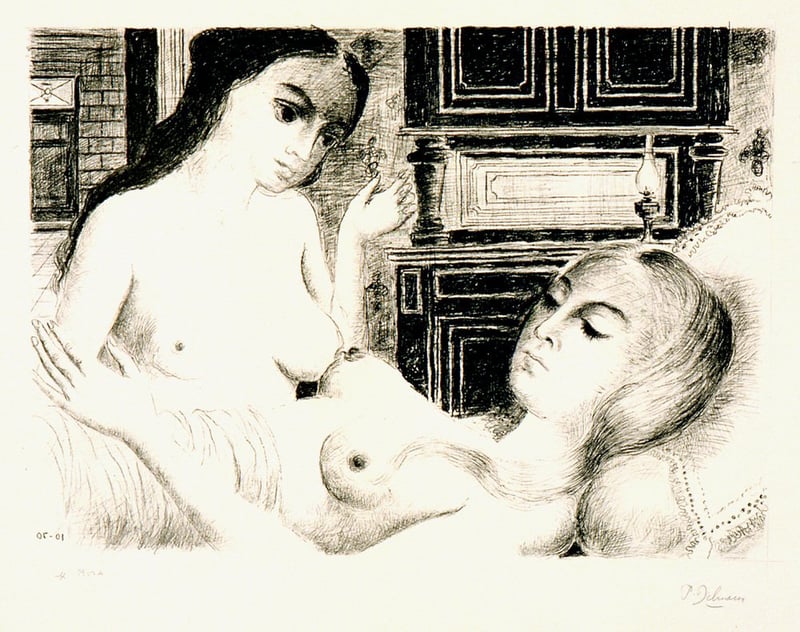
Le Sommeil, 1970
Form
Medium
Size
- Inches
- Centimeters
Edition
Price
- USD
- EUR
- GBP
- CHF
- Authenticity Guaranteed
- Insured Shipping
- Online Since 2005
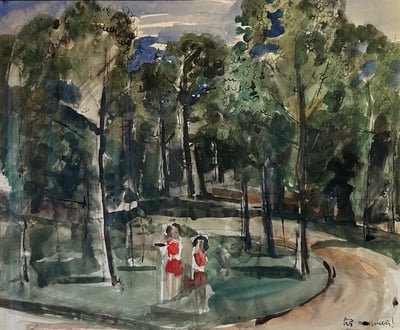
Paul Delvaux
Sans Titre (Paysage à Huy), 1924
Drawing / Watercolor
Watercolor
EUR 8,000
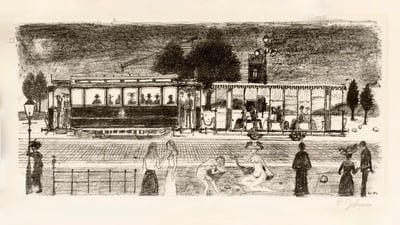
Paul Delvaux
Le tramway, 1971
Limited Edition Print
Lithograph
EUR 2,600
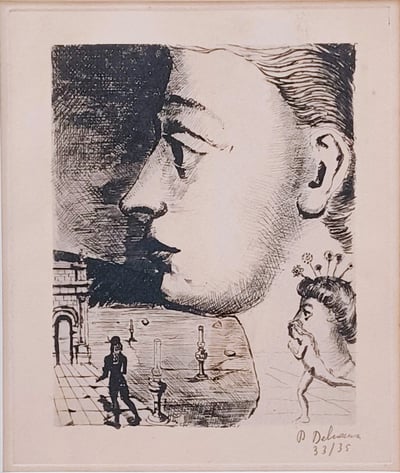
Paul Delvaux
Figure, c. 1960-65
Limited Edition Print
Etching
EUR 4,380
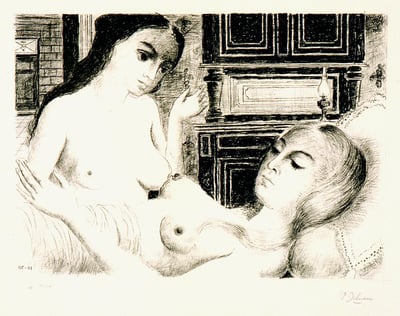
Paul Delvaux
Le Sommeil, 1970
Limited Edition Print
Lithograph
EUR 3,650
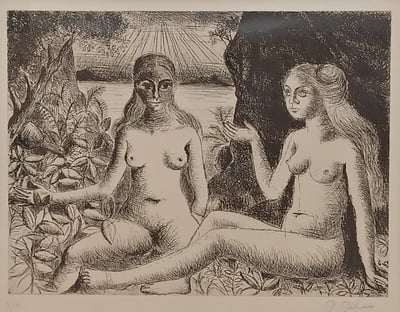
Paul Delvaux
La dispute, 1969
Limited Edition Print
Etching and Aquatint
EUR 2,300
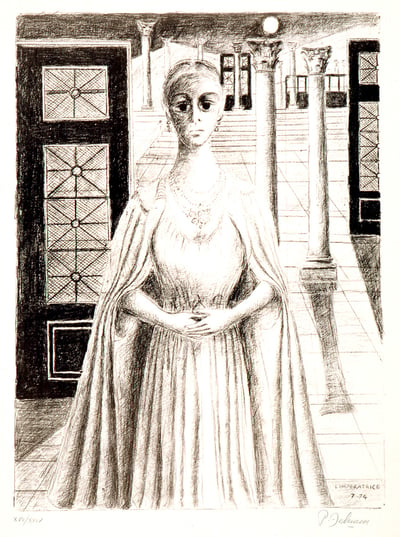
Paul Delvaux
L'Impératrice, 1974
Limited Edition Print
Lithograph
EUR 3,350
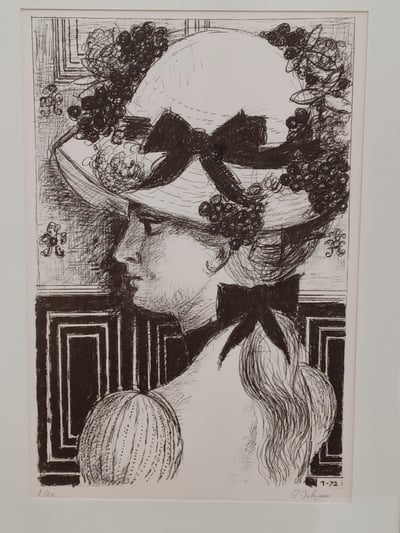
Paul Delvaux
Le Chapeau 1900, 1972
Limited Edition Print
Lithograph
EUR 2,500
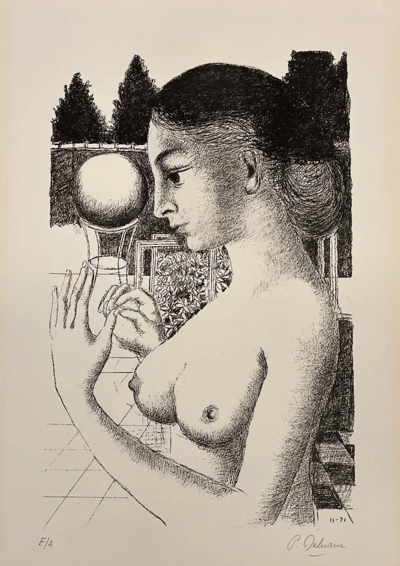
Paul Delvaux
La femme a la Boule, 1971
Limited Edition Print
Lithograph
EUR 2,650
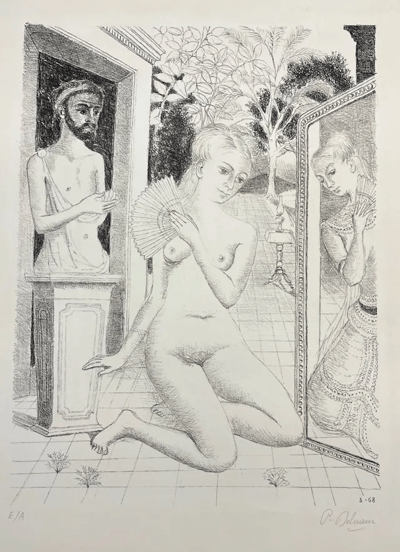
Paul Delvaux
L'Eventail, 1968
Limited Edition Print
Etching
EUR 2,650
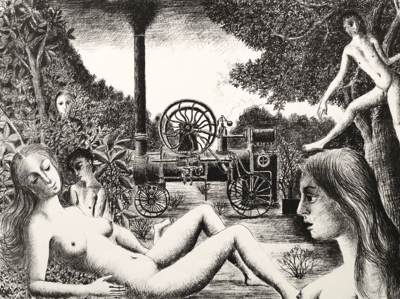
Paul Delvaux
Locomobile, 1970
Limited Edition Print
Lithograph
Currently Not Available
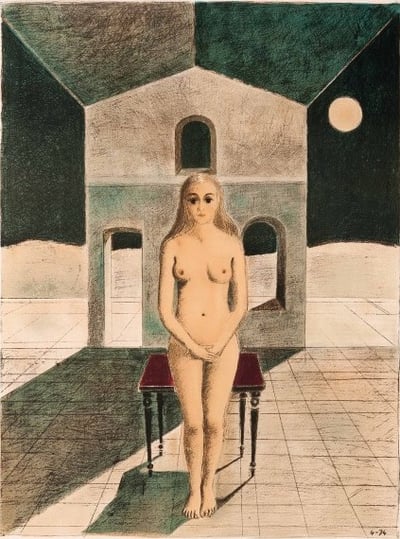
Paul Delvaux
La voyante, 1974
Limited Edition Print
Lithograph
Currently Not Available
Related Artists
Related Articles
Popular, Artists, Art Movements, Collecting - August 23, 2026
The ZERO Movement: Collecting Günther Uecker and the Art of a New Beginning
Explore the ZERO Movement and learn how to collect Günther Uecker editions, from embossed prints and sand works to multiples, provenance and condition.Read More
What is Hyper-realism?
Hyperrealism is a genre of sculpture and painting that closely resembles high-resolution photographs. It is an evolution of Photorealism and is often applied to an independent art style or movement that became prominent in Europe and the United States in the early 2000s. Hyperrealist artists focus on extreme detail and precision, creating works that are often indistinguishable from real-life images.

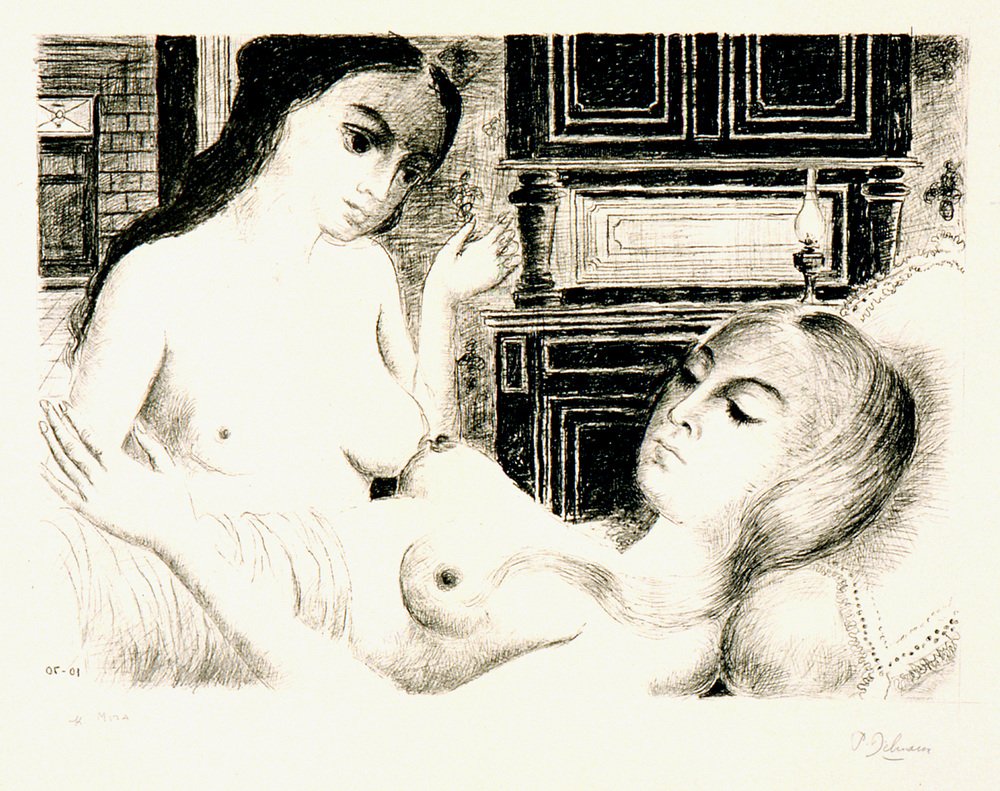
Paul Delvaux
Le Sommeil, 1970
90 x 62 cm


