
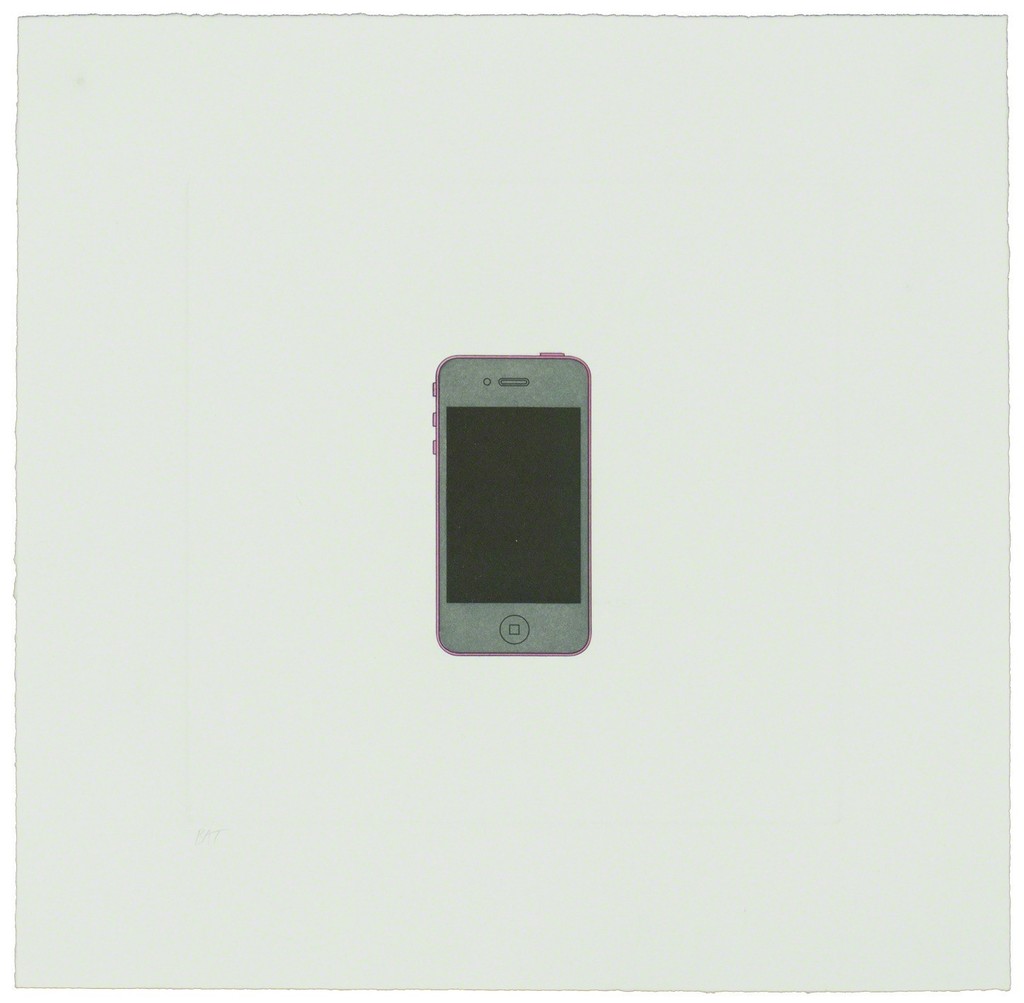
The Catalan Suite II - iPhone, 2013
Form
Medium
Size
- Inches
- Centimeters
Edition
Price
- USD
- EUR
- GBP
- CHF
- Authenticity Guaranteed
- Insured Shipping
- Online Since 2005

Michael Craig-Martin
Intimate Relations II, 2021
Limited Edition Print
Screen-print
GBP 17,000
Michael Craig-Martin
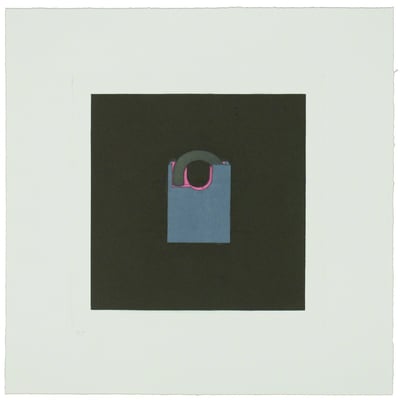
The Catalan suite I - Padlock , 2013
Limited Edition Print
Etching
EUR 750

Michael Craig-Martin
The Catalan Suite I - Corkscrew, 2013
Limited Edition Print
Etching
EUR 750

Michael Craig-Martin
The Catalan Suite I - Sofa, 2013
Limited Edition Print
Etching
EUR 750

Michael Craig-Martin
The Catalan Suite II - iPhone, 2013
Limited Edition Print
Etching
EUR 750

Michael Craig-Martin
The Catalan Suite II - Sofa, 2013
Limited Edition Print
Etching
EUR 750

Michael Craig-Martin
The Catalan Suite II - Corkscrew, 2013
Limited Edition Print
Etching
EUR 750

Michael Craig-Martin
The Catalan Suite II - Padlock, 2013
Limited Edition Print
Etching
EUR 750

Michael Craig-Martin
The Catalan Suite II - Shirt, 2013
Limited Edition Print
Etching
EUR 750

Michael Craig-Martin
The Catalan Suite I - iPhone, 2013
Limited Edition Print
Etching
EUR 750

Michael Craig-Martin
The Catalan Suite I - Shirt, 2013
Limited Edition Print
Etching
EUR 750

Michael Craig-Martin
The Catalan Suite I - Soup Can, 2013
Limited Edition Print
Etching
EUR 750

Michael Craig-Martin
The Catalan Suite II - Soup Can, 2013
Limited Edition Print
Etching
Currently Not Available
Related Artists

Related Articles

Artists - November 11, 2024
25 Living Icons: A Generation of Artists Defying Time
Celebrate 25 living legends redefining art! From Kusama to Hockney, explore their enduring creativity and groundbreaking contributions to modern art.Read More

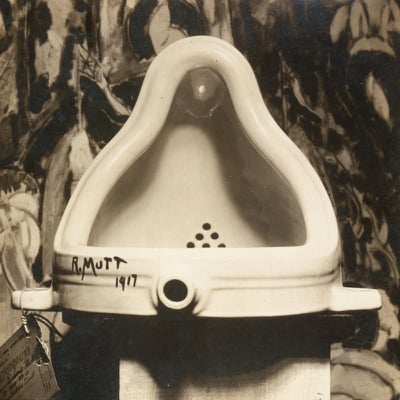
What is Found Object?
A found object is a term used to describe a man-made or natural object, or a fragment of one, that an artist discovers or purchases and keeps for inspiration or as a work of art. The artist may also modify the object or incorporate it into a collage or assemblage, transforming it into a new piece of art.
Michael Craig-Martin
The Catalan Suite II - iPhone, 2013
45 x 45 cm


