
Lithograph, signed and numbered
Artwork Copyright © Marcel DzamaMarcel Dzama (Canada, 1974) is a multidisciplinary artist celebrated for his whimsical drawings, sculptures, and dioramas. His works often feature surreal characters and dreamlike narratives, drawing on influences from Dada, folklore, and pop culture. Dzama’s distinctive style and imaginative worlds have earned him international acclaim.
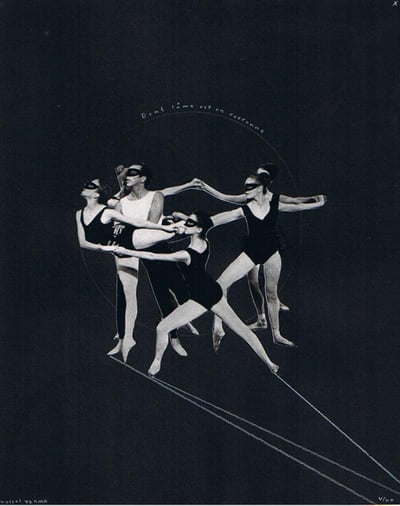
Artwork Copyright © Marcel DzamaThe Revolution wants to be female, 2017
Form
Medium
Size
- Inches
- Centimeters
Edition
Price
Available works →
- Authenticity Guaranteed
- Insured Shipping
- Online Since 2005
●
●Inventory 8667
●Signed
●Comes with gallery invoice and certificate
●Sell Us a Similar Artwork. Learn more.
Lithograph, signed and numbered
Artwork Copyright © Marcel DzamaMarcel Dzama (Canada, 1974) is a multidisciplinary artist celebrated for his whimsical drawings, sculptures, and dioramas. His works often feature surreal characters and dreamlike narratives, drawing on influences from Dada, folklore, and pop culture. Dzama’s distinctive style and imaginative worlds have earned him international acclaim.
Artwork Copyright © Marcel DzamaAvailability
Medium
SORT BY
Marcel Dzama
Ex Libris , 2011
Drawing / Watercolor
Mixed Media
EUR 2,000
Marcel Dzama
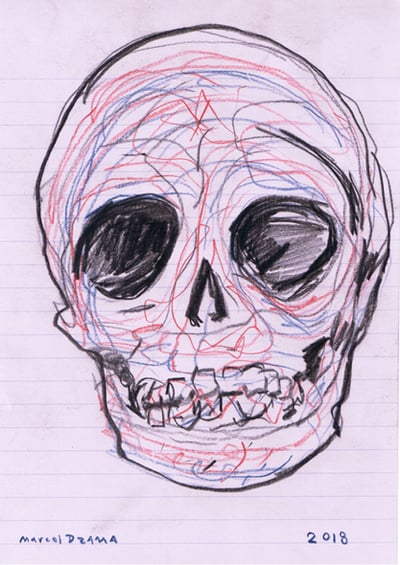
A Blind Man’s Scrap Book (Skull), 2018
Drawing / Watercolor
Coloured pencil
EUR 1,600
Marcel Dzama
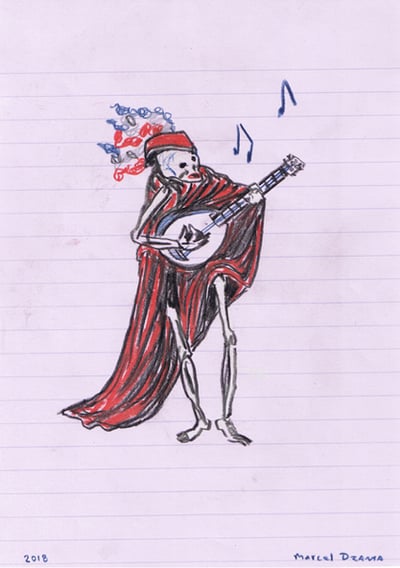
A Blind Man’s Scrap Book (Skeletal Serenade), 2018
Drawing / Watercolor
Coloured pencil
EUR 1,600
Marcel Dzama
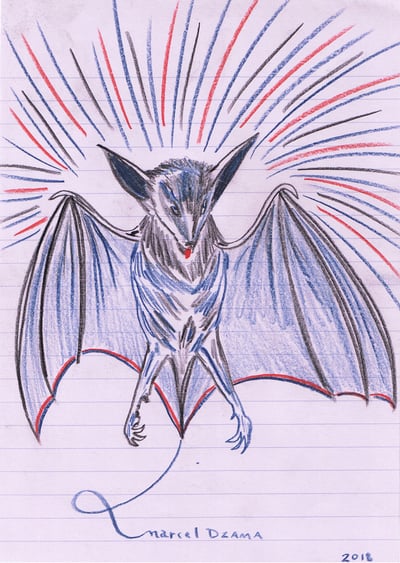
A Blind Man’s Scrap Book (Radiant Bat), 2018
Drawing / Watercolor
Coloured pencil
EUR 1,600
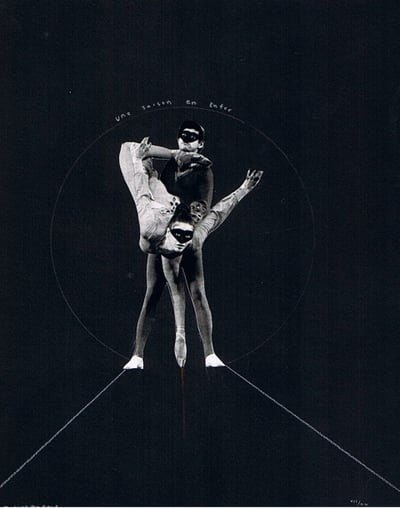
Marcel Dzama
Une saison en enfer, 2011
Drawing / Watercolor
Mixed Media
EUR 2,250
Related Artists
Related Articles
Popular, Artists, Collecting - September 1, 2026
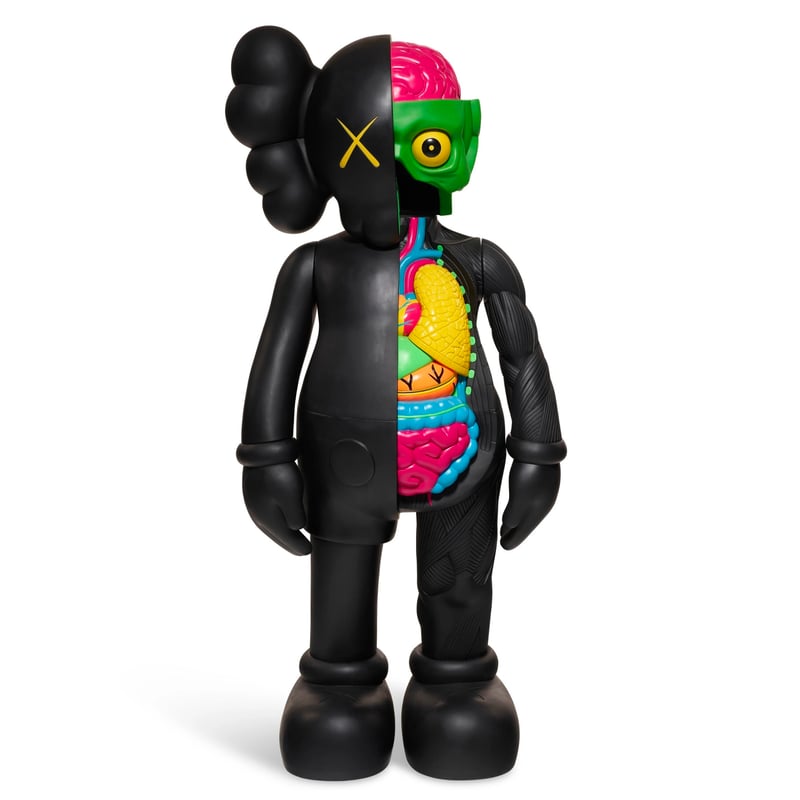
KAWS Companion Editions: Vinyl, Four Foot and Dissected
A collector’s guide to KAWS Companion editions, from the 1999 Bounty Hunter vinyl figure to Four Foot, Dissected, Sorayama and Star Wars releases.Read More
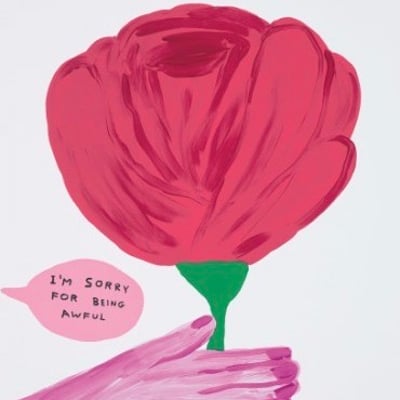
Artwork by David Shrigley
What is Naive Art?
Naïve art describes a style of artwork that is simple and unsophisticated, often created by artists without formal training in an academy or art school. The style is characterized by a lack of advanced techniques, giving it a childlike appearance. Naïve art often features bright colors, simple shapes, and a straightforward approach to subject matter, reflecting the artist's untrained perspective.


