Details
Artist
Styles
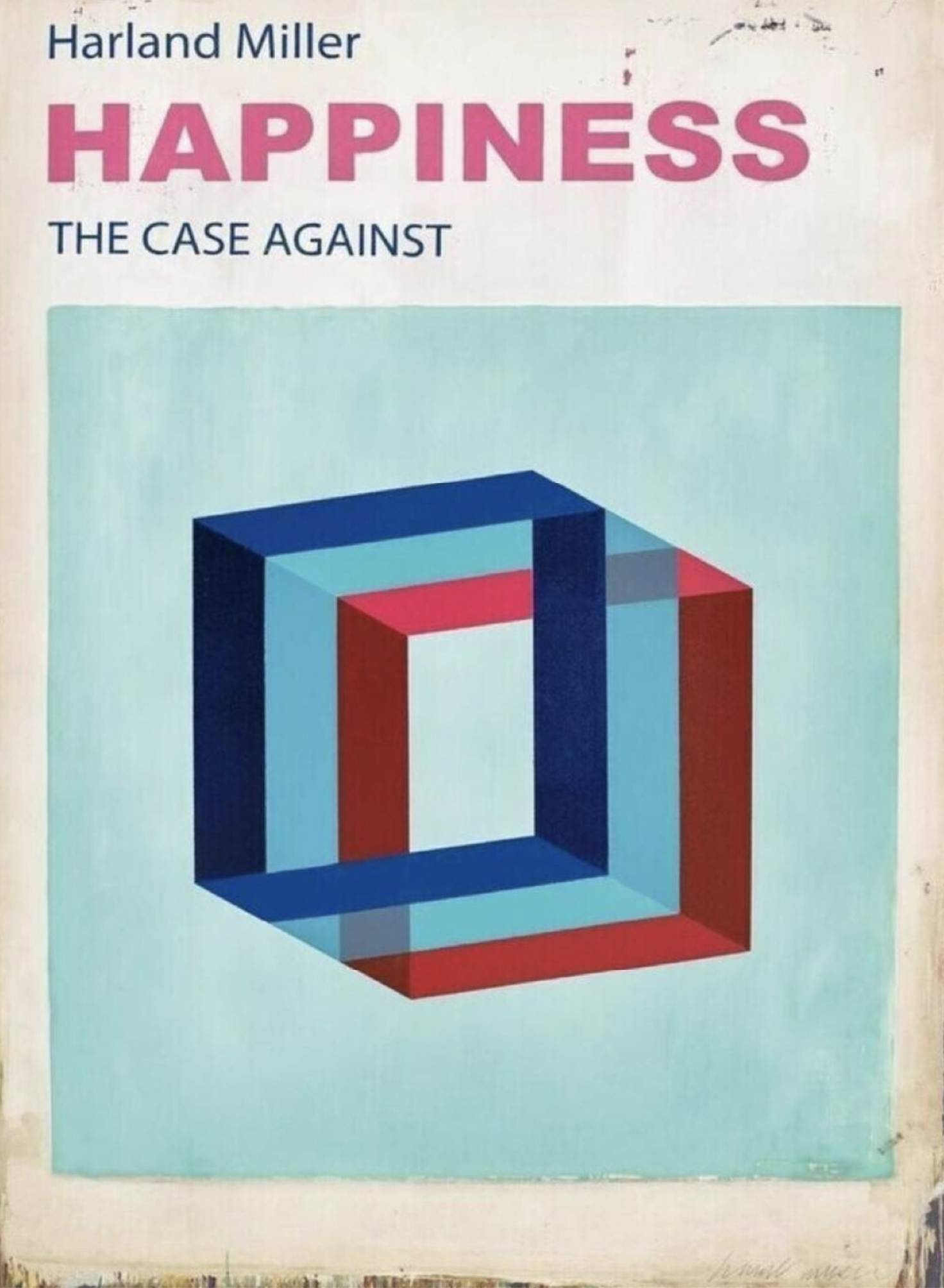
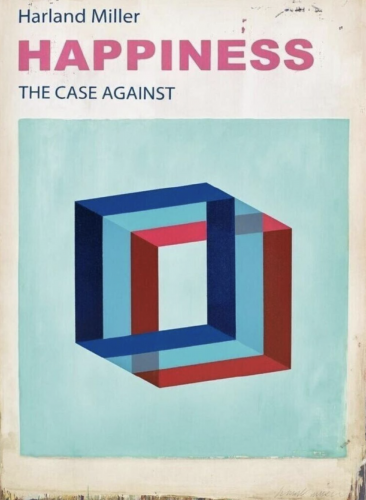
Intaglio print on paper. Signed, dated and numbered. Happiness (small) (2017) by Harland Miller is a satirical intaglio print mimicking the design of a vintage Penguin paperback cover. Known for blending literary and visual art, Miller uses the format of a book jacket to explore themes of irony, melancholy, and British stoicism. The bold title HAPPINESS – THE CASE AGAINST contrasts sharply with the vibrant, geometric illusion at the center of the image, hinting at the elusive and contradictory nature of happiness. The print plays with language and visual structure, reflecting Miller’s signature blend of humor, cynicism, and design nostalgia.
Details
Artist
Styles
Intaglio print on paper. Signed, dated and numbered. Happiness (small) (2017) by Harland Miller is a satirical intaglio print mimicking the design of a vintage Penguin paperback cover. Known for blending literary and visual art, Miller uses the format of a book jacket to explore themes of irony, melancholy, and British stoicism. The bold title HAPPINESS – THE CASE AGAINST contrasts sharply with the vibrant, geometric illusion at the center of the image, hinting at the elusive and contradictory nature of happiness. The print plays with language and visual structure, reflecting Miller’s signature blend of humor, cynicism, and design nostalgia.
- Recently Added
- Price (low-high )
- Price (high-low )
- Year (low-high )
- Year (high-low )
Harland Miller
Who Cares Wins, 2020
Limited Edition Print
Silkscreen
Artwork On Hold
Harland Miller
Thought After Filthy Thought, 2019
Limited Edition Print
Relief Printing
USD 40,000 - 50,000
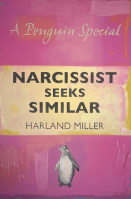
Harland Miller
Narcissist Seeks Similar, 2021
Limited Edition Print
Relief Printing
USD 30,000 - 40,000
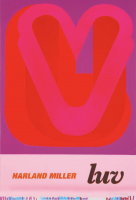
Harland Miller
LUV, 2023
Limited Edition Print
Woodcut
Inquire For Price
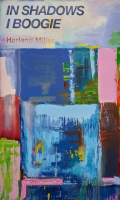
Harland Miller
In Shadows I Boogie, 2019
Limited Edition Print
Mixed Media
USD 40,000 - 50,000
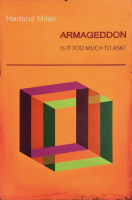
Harland Miller
Armageddon Is It Too Much To Ask?, 2017
Limited Edition Print
Mixed Media
USD 22,000
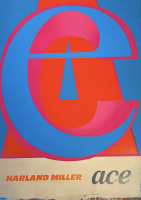
Harland Miller
Ace, 2019
Limited Edition Print
Mixed Media
USD 25,000
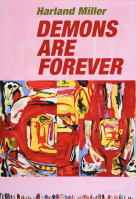
Harland Miller
Demons Are Forever, 2024
Limited Edition Print
Relief Printing
Inquire For Price
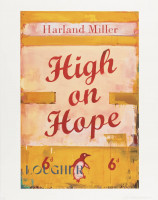
Harland Miller
High On Hope, 2019
Limited Edition Print
Screen-print
GBP 15,000 - 20,000
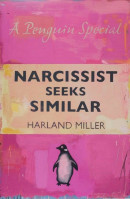
Harland Miller
Narcissist Seeks Similar (Large), 2021
Limited Edition Print
Relief Printing
GBP 40,000 - 50,000
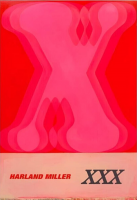
Harland Miller
XXX, 2023
Limited Edition Print
Silkscreen
Inquire For Price
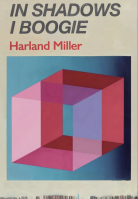
Harland Miller
In Shadows I Boogie - Blue, 2019
Limited Edition Print
Etching
GBP 5,000 - 7,000
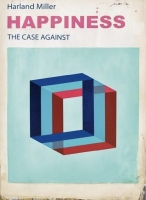
Harland Miller
Happiness (small), 2017
Limited Edition Print
Intaglio
Inquire For Price

Harland Miller
Hell... It's Only Forever 1 (Large), 2020
Limited Edition Print
Woodcut
USD 25,000 - 35,000
Related Artists


Related Articles

Art Movements - May 05, 2022
The Dusseldorf School and the birth of modern photography
Discover the Düsseldorf School of Photography, its roots in objectivity, and its legacy in modern art. Explore works by Gursky, Höfer, and the Bechers. Read More

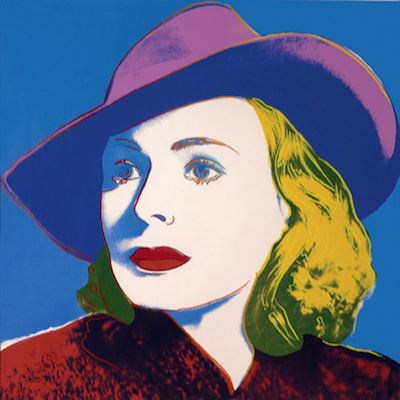
What is pop-art?
Pop Art is an art movement that began in Britain in 1955 and in the late 1950s in the U.S. It challenged traditional fine arts by incorporating imagery from popular culture, such as news, advertising, and comic books. Pop Art often isolates and recontextualizes materials, combining them with unrelated elements. The movement is more about the attitudes and ideas that inspired it than the specific art itself. Pop Art is seen as a reaction against the dominant ideas of Abstract Expressionism, bringing everyday consumer culture into the realm of fine art.