
Details
Artist
Styles
Chromogenic print in colors on Fujicolor paper - Hand-signed and dated (verso) // Cindy Sherman’s Mrs. Claus (1990) is a vibrant C-print that exemplifies the artist’s exploration of identity and persona through staged photography. In this piece, Sherman portrays a version of Mrs. Claus, sitting in a festive, yet slightly unsettling setting. Dressed in traditional holiday attire with a white wig and a red apron, she holds a plate of broken cookies, giving the image an odd, humorous twist. Sherman’s makeup and exaggerated expressions challenge the typical portrayal of holiday icons, transforming Mrs. Claus into a complex character with a blend of satire and nostalgia. The warm, saturated colors enhance the festive yet eerie atmosphere, a hallmark of Sherman’s style.
Details
Artist
Styles
Chromogenic print in colors on Fujicolor paper - Hand-signed and dated (verso) // Cindy Sherman’s Mrs. Claus (1990) is a vibrant C-print that exemplifies the artist’s exploration of identity and persona through staged photography. In this piece, Sherman portrays a version of Mrs. Claus, sitting in a festive, yet slightly unsettling setting. Dressed in traditional holiday attire with a white wig and a red apron, she holds a plate of broken cookies, giving the image an odd, humorous twist. Sherman’s makeup and exaggerated expressions challenge the typical portrayal of holiday icons, transforming Mrs. Claus into a complex character with a blend of satire and nostalgia. The warm, saturated colors enhance the festive yet eerie atmosphere, a hallmark of Sherman’s style.
- Recently Added
- Price (low-high )
- Price (high-low )
- Year (low-high )
- Year (high-low )

Cindy Sherman
Untitled (Twinkle-Nose), 2021
Photography
C-Print
GBP 2,300

Cindy Sherman
Pregnant Woman, 1991
Photography
Photograph
Inquire For Price

Cindy Sherman
Untitled #114, 1999
Photography
Offset Print
GBP 4,800

Cindy Sherman
Untitled - Marilyn, 1981/1989
Photography
Offset Print
GBP 4,750

Cindy Sherman
Madonna, 1975/97
Photography
Gelatin Silver Print
Currently Not Available
Related Artists


Related Articles

Popular, Art Movements - September 15, 2025
Documenting the Undocumented: Photography as Social Commentary
Explore how artists like Nan Goldin and Thomas Ruff use photography to challenge norms, reveal hidden truths, and reframe cultural narratives. Read More
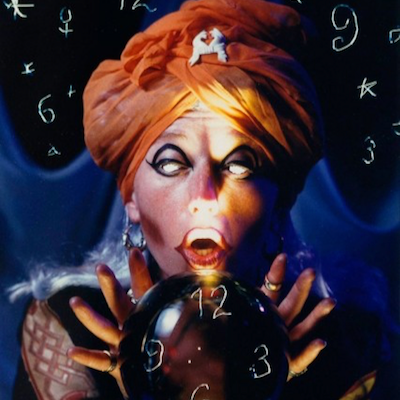
Artwork by Cindy Sherman
What is Uncanny?
The Uncanny is a concept described by psychologist Sigmund Freud as the eerie or unsettling feeling that arises when something familiar is presented in a strange or unfamiliar way. Surrealist artists, who aimed to reveal the subconscious and merge it with reality, often utilized this concept by combining familiar objects in unexpected and bizarre ways. This approach created a sense of discomfort or unease, challenging the viewer's perception of reality.
RECENTLY VIEWED
-->