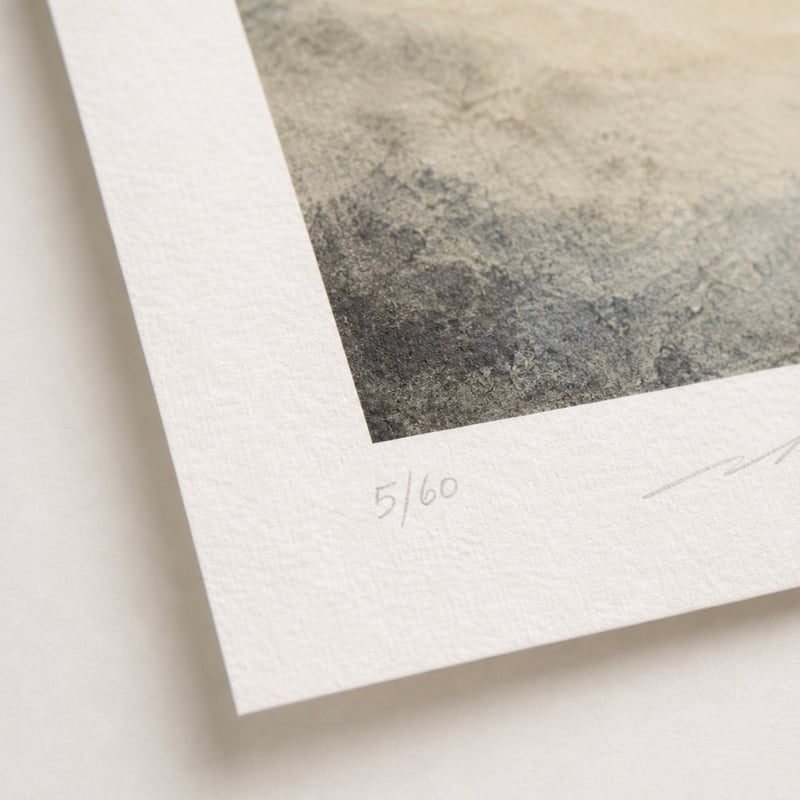
Signé par le photographe à l'encre noire, daté et numéroté (verso)?
Copyright de l'œuvre © William WegmanWilliam Wegman (États-Unis, 1943) est un artiste multimédia célèbre pour ses photographies pleines de fantaisie mettant en scène des chiens Weimaraner. Alliant humour et sophistication, son œuvre inclut vidéo, peinture et dessin, intégrant souvent ses chiens dans des récits surréalistes et ludiques. L’art de Wegman est devenu emblématique, entre art contemporain et culture populaire.
Copyright de l'œuvre © William WegmanLug Nut, 2001
Forme
Méthode
Taille
- Pouces
- Centimètres
Édition
Prix
Œuvres disponibles →
- Authenticité garantie
- Livraison assurée
- En ligne depuis 2005
●
●Inventaire 4157
●Signé
●Livré avec la facture et le certificat de la galerie
●Vendez-nous une œuvre similaire. En savoir plus.
Signé par le photographe à l'encre noire, daté et numéroté (verso)?
Copyright de l'œuvre © William WegmanWilliam Wegman (États-Unis, 1943) est un artiste multimédia célèbre pour ses photographies pleines de fantaisie mettant en scène des chiens Weimaraner. Alliant humour et sophistication, son œuvre inclut vidéo, peinture et dessin, intégrant souvent ses chiens dans des récits surréalistes et ludiques. L’art de Wegman est devenu emblématique, entre art contemporain et culture populaire.
Copyright de l'œuvre © William WegmanDisponibilité
Taille
Forme
Méthode
Trier Par
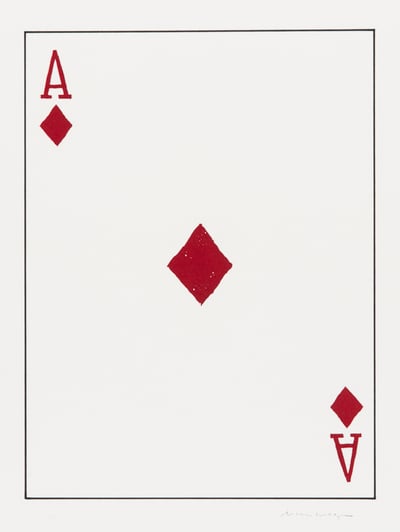
William Wegman
Ace of Diamonds, 1998
Édition Limitée
Lithographie
Demander le prix

William Wegman
Profiles in Patriotism (from Freedom of Expression), 1992
Édition Limitée
Lithographie
USD 5,500
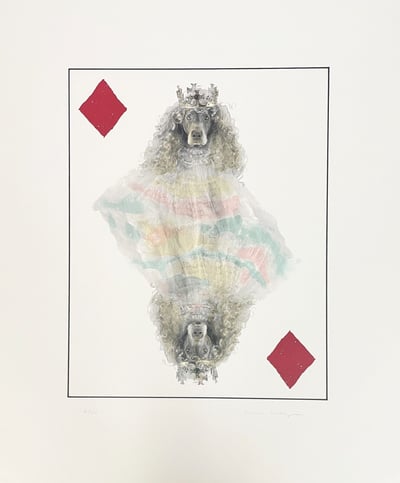
William Wegman
Royal Flush -Diamonds (Pastel-Blue), 1998
Édition Limitée
Lithographie
USD 1,450
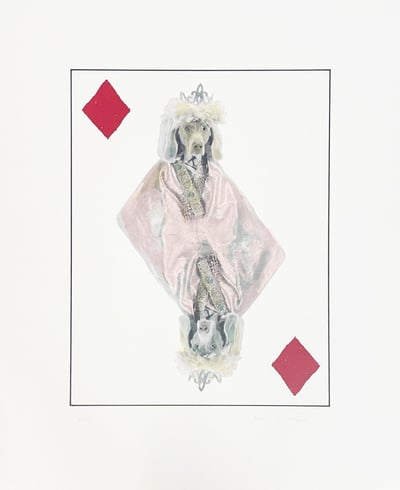
William Wegman
Royal Flush - Diamonds (pink), 1998
Édition Limitée
Lithographie
USD 1,450
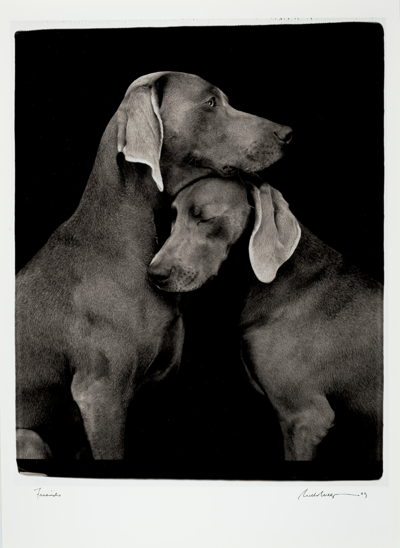
William Wegman
Friends, 2010
Édition Limitée
Impression sur papier Archival
USD 2,950
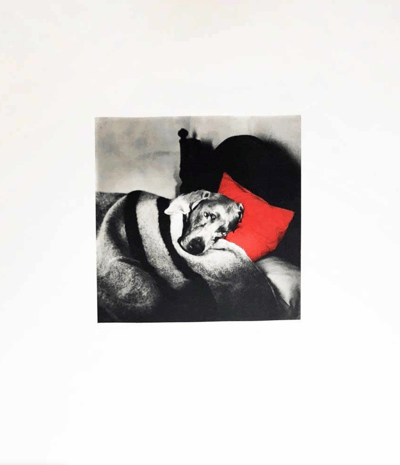
William Wegman
Cinderella Sleeping, 1994
Édition Limitée
Gravure à l'eau-forte
USD 3,120
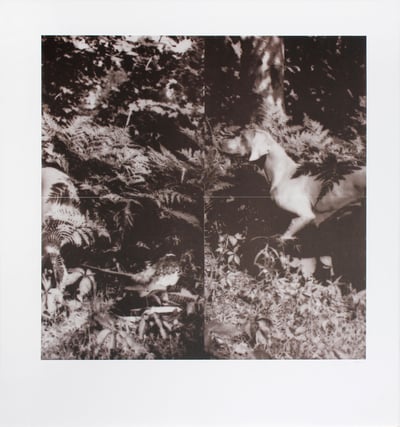
William Wegman
Untitled (from the Bird Dog suite), 1990
Photographie
Lithographie
USD 1,400

William Wegman
Cinderella, 1994
Édition Limitée
Offset
Demander le prix
Artistes Associés

Articles Liés
Populaire, Nouvelles, Artistes, Collectionner - 12 août 2026
En tons mineurs : trouver l'intimité et l'identité à la 61e Biennale de Venise — et dans votre collection
Découvrez comment la vision de Koyo Kouoh pour la 61e Biennale de Venise, 'In Minor Keys', oriente le collectionnisme contemporain vers l'introspection silencieuse, la mémoire et l'identité personnelle.lire plus
Populaire, Artistes, Collectionner - 8 septembre 2026