Détails
Artiste
Styles
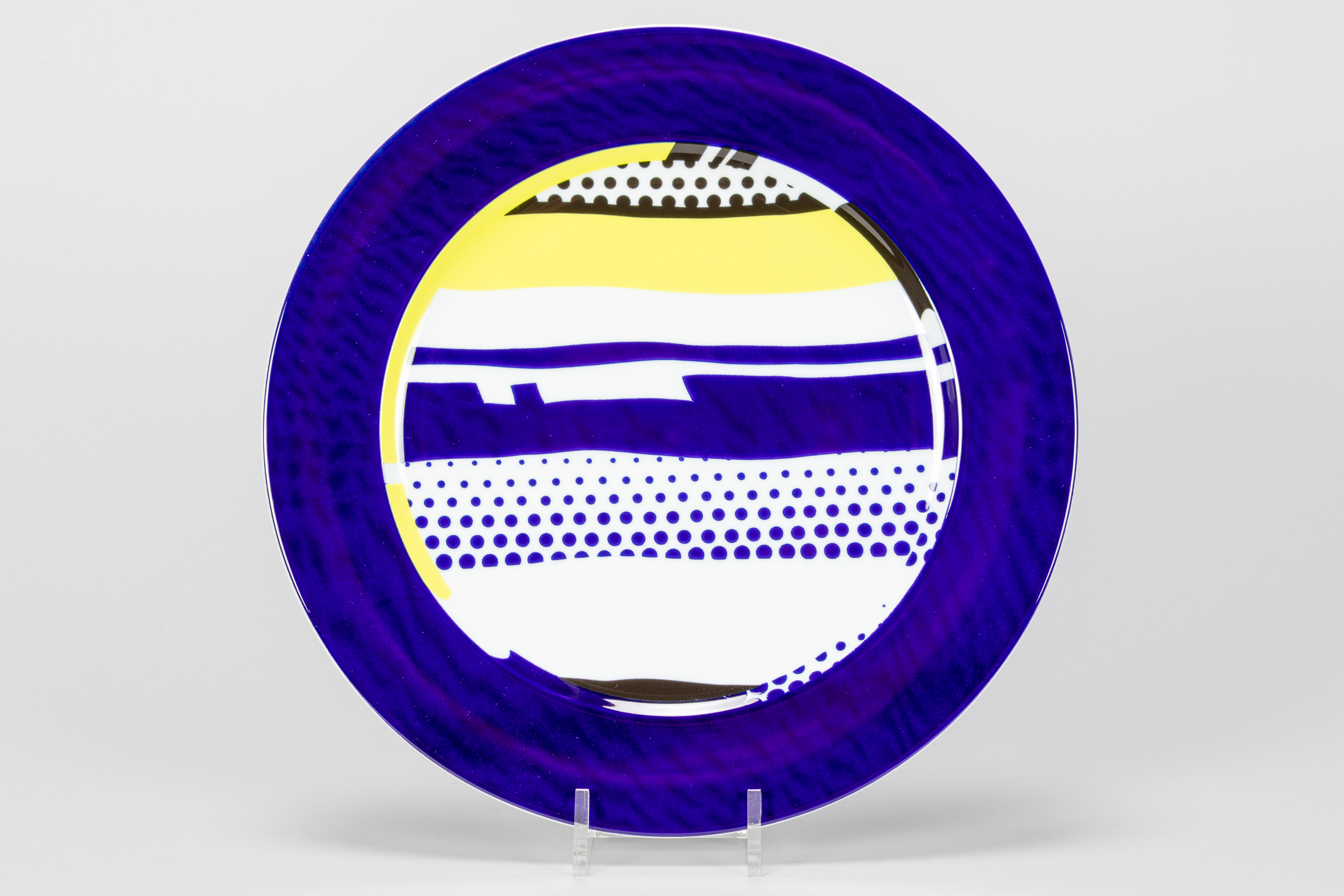
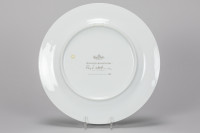
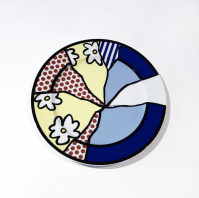
Numbered at the back and signed in the plate. Rosenthal Plate 2 de Roy Lichtenstein est un objet en céramique réalisé en 2000, illustrant le langage visuel Pop Art propre à l’artiste. D’un diamètre de 31 cm, cette assiette combine des bandes éclatantes de jaune, blanc et bleu profond avec les célèbres points Ben-Day et des contours noirs marqués. Ces motifs graphiques rappellent le style inspiré de la bande dessinée de Lichtenstein, ici réinterprété dans un objet de design fonctionnel. Produite à 3 000 exemplaires et signée par estampille, cette œuvre reflète son intérêt pour la production industrielle et la frontière entre art et objet du quotidien.
Rosenthal plate 2, 2000
forme
Méthode
Taille
31 x 31 cm
- Pouces
- Centimètres
Édition
Prix
Détails
Artiste
Styles
Numbered at the back and signed in the plate. Rosenthal Plate 2 de Roy Lichtenstein est un objet en céramique réalisé en 2000, illustrant le langage visuel Pop Art propre à l’artiste. D’un diamètre de 31 cm, cette assiette combine des bandes éclatantes de jaune, blanc et bleu profond avec les célèbres points Ben-Day et des contours noirs marqués. Ces motifs graphiques rappellent le style inspiré de la bande dessinée de Lichtenstein, ici réinterprété dans un objet de design fonctionnel. Produite à 3 000 exemplaires et signée par estampille, cette œuvre reflète son intérêt pour la production industrielle et la frontière entre art et objet du quotidien.
- Ajouté Récemment
- Prix (elevé - bas )
- Prix (bas - elevé )
- Année (elevé - bas )
- Année (bas - elevé )
Roy Lichtenstein
Explosion, 1967
Édition Limitée
Lithographie
Demander Le Prix

Roy Lichtenstein
Interior With Chair From The Leo Castelli 90th Birthday Portfolio, 1997
Édition Limitée
Sérigraphie (Screen-print)
USD 30,000 - 40,000

Roy Lichtenstein
Inaugural Print From The Inaugural Impressions Portfolio, 1977
Édition Limitée
Sérigraphie (Screen-print)
USD 25,000 - 35,000

Roy Lichtenstein
Still Life With Red Jar, 1994
Édition Limitée
Sérigraphie
USD 30,900

Roy Lichtenstein
Nude On Beach, From The Surrealist Series, 1978
Édition Limitée
Lithographie
USD 20,000 - 30,000
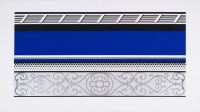
Roy Lichtenstein
Entablature V (Corlett 142), 1976
Édition Limitée
Collage
USD 12,570
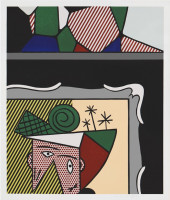
Roy Lichtenstein
Two Paintings, From The Paintings Series, 1984
Édition Limitée
Mixed Média
USD 50,000 - 60,000
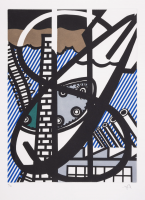
Roy Lichtenstein
Illustration For 'Une Fenêtre Ouverte Sur Chicago' (Corlett 271), 1992
Édition Limitée
Gravure à L'eau-forte
USD 13,250
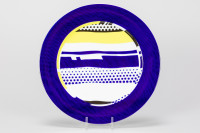
Roy Lichtenstein
Rosenthal Plate 2, 2000
Sculpture / Objet
Plaque
Demander Le Prix
Roy Lichtenstein
Untitled Plate (Waterlily), 1990
Céramique
Plaque
USD 2,500
Roy Lichtenstein
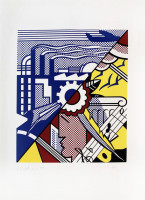
Industry And The Arts (II), 1969
Édition Limitée
Sérigraphie (Screen-print)
GBP 30,000 - 40,000

Roy Lichtenstein
Illustration For 'De Denver Au Montana, Depart 27 Mai 1972' (I), 1992
Édition Limitée
Gravure à L'eau-forte
USD 12,500

Roy Lichtenstein
Composition II, 1996
Édition Limitée
Sérigraphie (Screen-print)
USD 80,000 - 90,000

Roy Lichtenstein
Moonscape, 1965
Édition Limitée
Sérigraphie (Screen-print)
USD 28,650

Roy Lichtenstein
Untitled I, 1980
Édition Limitée
Gravure à L'eau-forte
USD 20,650

Roy Lichtenstein
Privée Vente
Sculpture / Objet
Mixed Média
demander info
Roy Lichtenstein
Privée Vente
Édition Limitée
Sérigraphie (Screen-print)
demander info

Roy Lichtenstein
Reflections On Minerva, 1990
Édition Limitée
Mixed Média
USD 80,000 - 100,000

Roy Lichtenstein
Foot And Hand, 1964
Édition Limitée
Offset
Oeuvre En Attentea

Roy Lichtenstein
Composition III, 1996
Édition Limitée
Sérigraphie (Screen-print)
Demander Le Prix

Roy Lichtenstein
Pistol (from Banner, Multiples Calendar, 1968
Édition Limitée
Sérigraphie (Screen-print)
USD 4,600

Roy Lichtenstein
Haystack #6, 1969
Édition Limitée
Lithographie
USD 19,500

Roy Lichtenstein
Fish And Sky, 1967
Édition Limitée
Mixed Média
USD 19,950
Roy Lichtenstein
Privée Vente
Édition Limitée
Sérigraphie (Screen-print)
demander info

Roy Lichtenstein
De Denver Au Montana, Départ 27 Mai 1972 (II), 1991
Édition Limitée
Gravure à L'eau-forte
USD 12,500

Roy Lichtenstein
Spray Can, 1964
Édition Limitée
Lithographie
USD 2,200

Roy Lichtenstein
Entablature IX (146), 1976
Édition Limitée
Collage
EUR 20,000 - 25,000

Roy Lichtenstein
Entablature IV (141), 1976
Édition Limitée
Collage
EUR 20,000 - 25,000

Roy Lichtenstein
Entablature III (140), 1976
Édition Limitée
Collage
EUR 20,000 - 25,000

Roy Lichtenstein
Entablature II (139), 1976
Édition Limitée
Collage
EUR 20,000 - 25,000

Roy Lichtenstein
Entablature I (138), 1976
Édition Limitée
Collage
EUR 20,000 - 25,000

Roy Lichtenstein
Haystack #1, 1969
Édition Limitée
Lithographie
USD 19,300

Roy Lichtenstein
Modern Head Enamel Pin, 1968
Sculpture / Objet
Métal
USD 4,950

Roy Lichtenstein
Yellow Still Life, 1974
Édition Limitée
Mixed Média
USD 39,500
Roy Lichtenstein
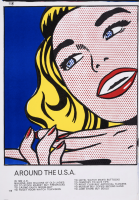
Girl, 1964
Édition Limitée
Lithographie
USD 3,000

Roy Lichtenstein
Litho/Litho, 1970
Édition Limitée
Lithographie
USD 17,200

Roy Lichtenstein
Dinnerware: One Setting, 1966
Sculpture / Objet
Céramique
USD 4,300

Roy Lichtenstein
Liberté, From Mémoire De La Liberté, 1991
Édition Limitée
Sérigraphie
EUR 19,750

Roy Lichtenstein
Passage Du Nord-ouest, 1992
Édition Limitée
Gravure à L'eau-forte
USD 10,400

Roy Lichtenstein
Paris Review, 1967
Édition Limitée
Sérigraphie/Silkscreen
USD 22,850

Roy Lichtenstein
Rosenthal Plate 1, 2000
Sculpture / Objet
Plaque
EUR 700
Roy Lichtenstein
Privée Vente
Édition Limitée
Mixed Média
demander info
Roy Lichtenstein
Privée Vente
Édition Limitée
Sérigraphie (Screen-print)
demander info

Roy Lichtenstein
Crying Girl, 1963
Édition Limitée
Offset
Actuellement Indisponible

Roy Lichtenstein
Water Lilies With Cloud, 1992
Édition Limitée
Sérigraphie (Screen-print)
Actuellement Indisponible

Roy Lichtenstein
Shipboard Girl, 1965
Édition Limitée
Offset
Actuellement Indisponible

Roy Lichtenstein
Sweet Dreams, Baby!, 1965
Édition Limitée
Sérigraphie (Screen-print)
Actuellement Indisponible

Roy Lichtenstein
CRAK!, 1963-1965
Édition Limitée
Lithographie
Actuellement Indisponible

Roy Lichtenstein
Water Lily, 1993
Édition Limitée
Sérigraphie (Screen-print)
Actuellement Indisponible
ARTiSTES ASSOCIÉS À


Articles Liés

Artistes - October 23, 2024
'Sweet Dreams, Baby!' de Roy Lichtenstein : Un Icône du Pop Art
Découvrez Sweet Dreams, Baby! (1965) de Roy Lichtenstein. Plongez dans son esthétique audacieuse et son influence sur le Pop Art. Lire Plus
Qu'est-ce que le pop-art?
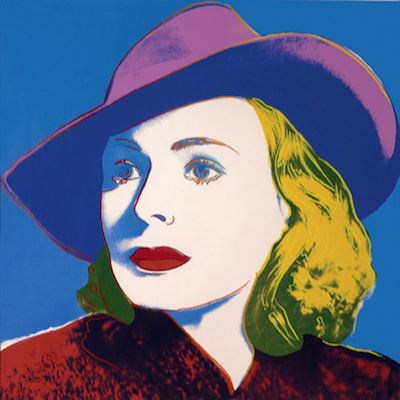
Pop Art est un mouvement artistique qui a débuté en Grande-Bretagne en 1955 et à la fin des années 1950 aux États-Unis. Il a défié la tradition des beaux-arts en intégrant des images de la culture populaire, telles que les actualités, la publicité et les bandes dessinées. Le Pop Art isole souvent des matériaux et les recontextualise, les combinant avec des éléments non liés. Ce mouvement se concentre davantage sur les attitudes et les idées qui l'ont inspiré que sur l'art lui-même. Le Pop Art est interprété comme une réaction aux idées dominantes de l'expressionnisme abstrait, en intégrant la culture de consommation quotidienne dans le domaine des beaux-arts.