What is a triptych?
A triptych is an artwork divided into three sections or panels, often hinged together, allowing it to be displayed open or folded shut. It is a type of polyptych, a term for multi-panel artworks. Typically, the central panel is the largest, flanked by two smaller panels, although some triptychs have panels of equal size. Triptychs have been historically significant in religious art but are also used in contemporary works.
Show All
- Show All
- Established
- Discoveries
Show All
Related Articles

Collecting - March 07, 2025
Glossary Deep Dive: 10 Art Terms Every Collector Should Know
Master 10 essential art terms—from giclée to collage—to enhance your collecting knowledge and appreciation. A must-read for art enthusiasts! Read More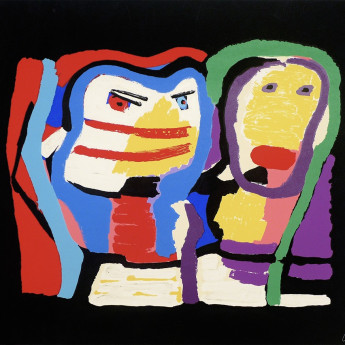

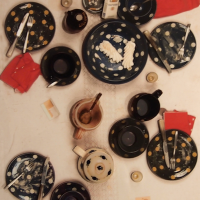
Nouveau Réalisme is an artistic movement founded in 1960 by art critic Pierre Restany and painter Yves Klein during a collective exhibition at a gallery in Milan. Restany wrote the original manifesto in April 1960, proclaiming the movement. In October of that year, nine artists, including Martial Raysse, Yves Klein, Daniel Spoerri, Jean Tinguely, Arman, Pierre Restany, and three Ultra-Lettrists—Jacques de la Villeglé, François Dufrêne, and Raymond Hains—signed the declaration. In 1961, the movement expanded to include Mimmo Rotella, Niki de Saint Phalle, Gérard Deschamps, and César. The movement emphasized a return to reality in art, often incorporating everyday objects and exploring the boundaries between art and life.
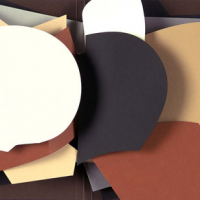
New Generation Sculpture was a movement started in the 1960s by a group of British artists. They experimented with unconventional forms, materials, and colors, creating sculptures that did not rely on traditional bases. Their work often featured plastic sheeting, fiberglass, and other industrial materials, which were fastened together and brightly painted.