What is Clay?
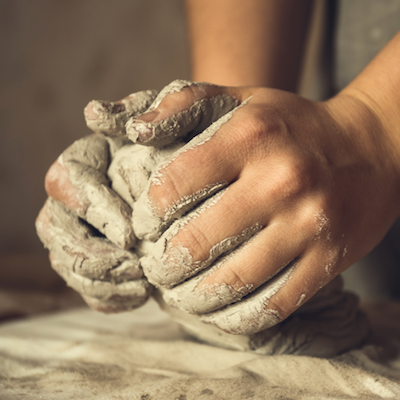
Clay is a natural material formed when rocks break down over time due to weathering. Water carries the fine particles of earth, which accumulate as a soft, sticky substance called muck. This muck is collected, cleaned, and refined by removing impurities like rocks and adding sand to improve its texture, resulting in usable clay.
Show All
- Show All
- Established
- Discoveries
Show All
ARTWORKS RELATED TO CLAY

Pablo Picasso
Angler, 1955
Ceramics
Clay
EUR 7,800

Pablo Picasso
Sujet poisson (A.R. 139), 1952
Sculpture / Object
Clay
EUR 15,000

Pablo Picasso
Petit visage barbu (A.R. 557), 1968 - 1969
Sculpture / Object
Clay
USD 6,700
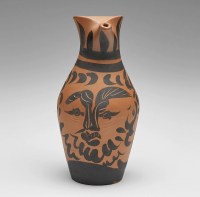
Pablo Picasso
Yan Barbu (Bearded Yan), 1963
Sculpture / Object
Clay
Inquire For Price

Pablo Picasso
Bird with tuft, 1952
Sculpture / Object
Clay
USD 3,900

Pablo Picasso
Bird under the sun, 1952
Sculpture / Object
Clay
USD 4,250

Pablo Picasso
Bird with worm, 1952
Sculpture / Object
Clay
USD 3,550
Related Articles

Popular, Collecting - February 21, 2025
Sculpture 101: From Clay to Bronze – How Sculptures Are Made
Discover the art of sculpture! Explore traditional techniques like carving and bronze casting, plus modern innovations like 3D printing. A journey in creativity! Read More


Browser art is a form of renegade art where artists use computers to transform code, website structures, and server links into visual material. These artists, often called net artists or net writers, manipulate computer code to create artworks that transform web pages into entirely different images or experiences.
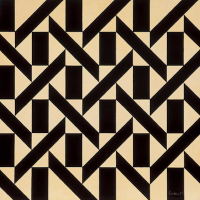
Grupo Ruptura was an organization formed in Brazil by artists who sought to break away from traditional naturalist painting in favor of geometric abstract art. In the early 1950s, the group published the Ruptura Manifesto, advocating for new art for a new country. The manifesto emphasized a departure from the past and a commitment to innovation, aligning with the modernist vision of Brazil as a forward-looking nation.