Details
Artist
Styles
Archival pigment print on Hahnemühle Photo Rag Baryta 308gsm - Image dimensions 152.4mm (w) x 203.2mm (h) // Susan Hiller's Study for 'The Self in the Digital Age' (2013) is an archival pigment print that explores identity in contemporary society through an ethereal, abstract lens. The composition consists of four blurred, vibrant portraits, each shrouded in layers of colored light and soft gradients. These hazy, distorted images evoke the idea of digital interference, suggesting how technology can fragment and obscure our sense of self. Printed on Hahnemühle Photo Rag Baryta, the archival quality underscores the artwork's conceptual weight, reflecting Hiller's interest in memory, perception, and the evolution of identity in a digitally mediated world. The ghostly figures appear to float, embodying the impermanence and fluidity of personal identity in the digital age.
Study for 'The Self in the Digital Age', 2013
form
Medium
Size
30 x 25 cm
- Inches
- Centimeters
Edition
Price
- USD
- EUR
- GBP
Details
Artist
Styles
Archival pigment print on Hahnemühle Photo Rag Baryta 308gsm - Image dimensions 152.4mm (w) x 203.2mm (h) // Susan Hiller's Study for 'The Self in the Digital Age' (2013) is an archival pigment print that explores identity in contemporary society through an ethereal, abstract lens. The composition consists of four blurred, vibrant portraits, each shrouded in layers of colored light and soft gradients. These hazy, distorted images evoke the idea of digital interference, suggesting how technology can fragment and obscure our sense of self. Printed on Hahnemühle Photo Rag Baryta, the archival quality underscores the artwork's conceptual weight, reflecting Hiller's interest in memory, perception, and the evolution of identity in a digitally mediated world. The ghostly figures appear to float, embodying the impermanence and fluidity of personal identity in the digital age.
- Recently Added
- Price (low-high )
- Price (high-low )
- Year (low-high )
- Year (high-low )

Susan Hiller
Study For 'The Self In The Digital Age', 2013
Photography
Archival Print
GBP 1,150
Related Artists


Related Articles

Art Movements - August 01, 2024
The Environmental Impact of Art: Exploring Eco-Friendly Practices in Contemporary Galleries
Explore the environmental impact of art! Learn how contemporary galleries adopt eco-friendly practices, from sustainable materials to reducing carbon footprints. Read More
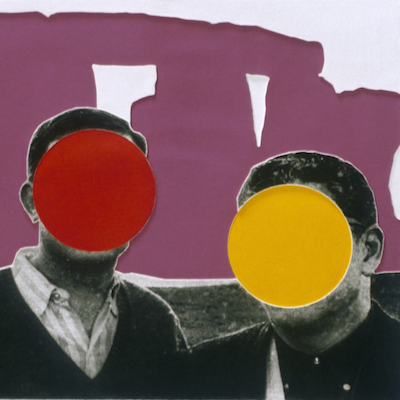
Artwork by John Baldessari
What is conceptual art?
Sometimes referred to as Conceptualism, this is an art form where the idea(s) or concept(s) behind the work take precedence over material concerns and traditional aesthetics. Many conceptual artworks can be created by anyone simply by following written instructions. The concept or idea is the most essential aspect of the artwork.
RECENTLY VIEWED
-->