
Mixografia
- Hand-signed
Artwork Copyright © Kiki SmithKiki Smith (USA, 1954) is a multidisciplinary artist known for her evocative works exploring the human body, nature, and mythology. Utilizing mediums like sculpture, printmaking, and glass, Smith's art often examines themes of transformation and mortality. Her works are featured in major collections, including the MoMA and the Whitney Museum.
Artwork Copyright © Kiki SmithRegalo, 2003
Form
Medium
Size
- Inches
- Centimeters
Edition
Price
Available works →
- Authenticity Guaranteed
- Insured Shipping
- Online Since 2005
●
●Inventory 12659
●Signed
●Comes with gallery invoice and certificate
●Sell Us a Similar Artwork. Learn more.
Mixografia
- Hand-signed
Artwork Copyright © Kiki SmithKiki Smith (USA, 1954) is a multidisciplinary artist known for her evocative works exploring the human body, nature, and mythology. Utilizing mediums like sculpture, printmaking, and glass, Smith's art often examines themes of transformation and mortality. Her works are featured in major collections, including the MoMA and the Whitney Museum.
Artwork Copyright © Kiki Smith- Recently Added
- Price (Low-High)
- Price (High-Low)
- Year (Low-High)
- Year (High-Low)
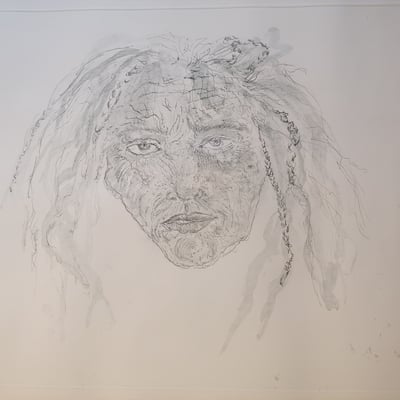
Kiki Smith
1st State Self Portrait, 1993
Limited Edition Print
Etching
USD 5,950
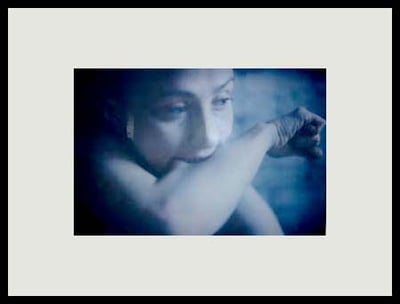
Kiki Smith
Untitled - bite, 1988
Limited Edition Print
Digital Print on paper
USD 2,950

Kiki Smith
Untitled (Head of Kuan Yin), 2002
Photography
C-Print
Currently Not Available
Related Artists
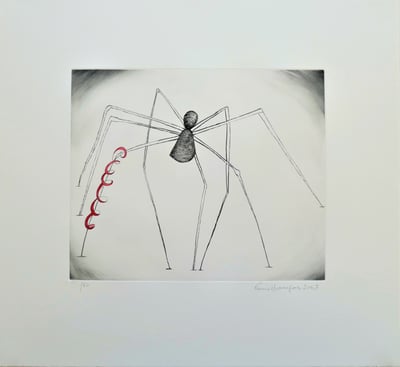


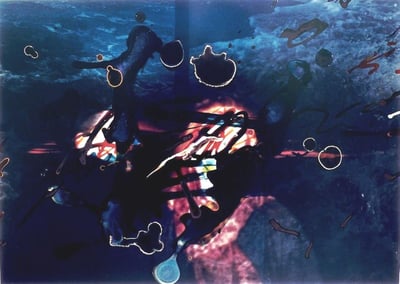
Related Articles

Collecting - December 12, 2024
The Art of Printmaking: From Woodcuts to Lithographs
Explore the rich history of printmaking, from ancient woodcuts to modern lithography. Discover how artists have pushed this versatile medium's boundaries.Read More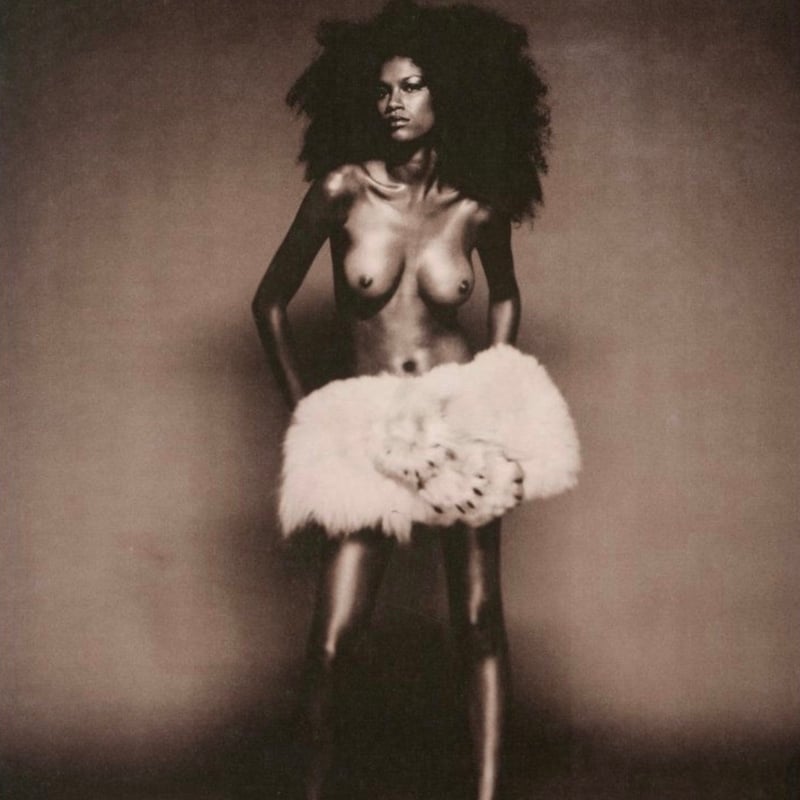

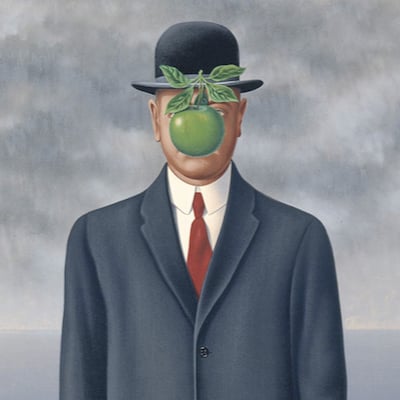
Artwork by Rene Magritte
What is Surrealism?
Surrealism began in the 1920s as an art and literary movement with the goal of revealing the unconscious mind and unleashing the imagination by exploring unusual and dream-like imagery. Influenced by Sigmund Freud’s theories of psychoanalysis, Surrealist artists and writers sought to bring the unconscious into rational life, blurring the lines between reality and dreams. The movement aimed to challenge conventional perceptions and express the irrational aspects of the human experience.


