Details
Artist
Styles
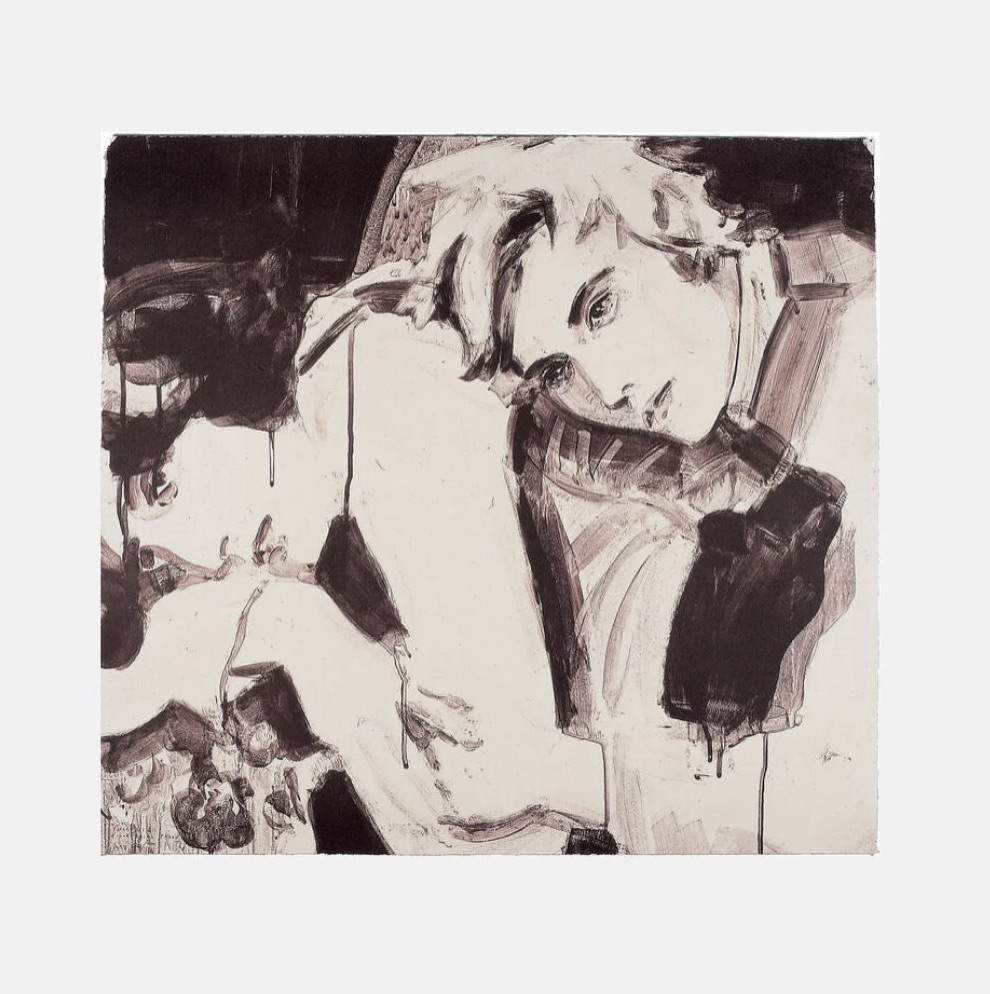
Signed, numbered, dated and titled on front. Oscar and Bosie (for Parkett 53) (1998) by Elizabeth Peyton is a lithograph measuring 58 × 62 cm, issued in an edition of 60 and signed, numbered, dated, and titled on the front. The work depicts the intimate relationship between Oscar Wilde and Lord Alfred “Bosie” Douglas, rendered in Peyton’s signature style that combines delicacy with emotional intensity. The portrait captures a tender, almost melancholic atmosphere, with fluid lines and soft tonal contrasts that recall both art-historical portraiture and contemporary sensibilities. Created for the influential art journal Parkett, this piece reflects Peyton’s ongoing exploration of intimacy, beauty, and the fragility of human connection.
Oscar and Bosie (for Parkett 53), 1998
form
Medium
Size
58 x 62 cm
- Inches
- Centimeters
Edition
Range
- USD
- EUR
- GBP
Details
Artist
Styles
Signed, numbered, dated and titled on front. Oscar and Bosie (for Parkett 53) (1998) by Elizabeth Peyton is a lithograph measuring 58 × 62 cm, issued in an edition of 60 and signed, numbered, dated, and titled on the front. The work depicts the intimate relationship between Oscar Wilde and Lord Alfred “Bosie” Douglas, rendered in Peyton’s signature style that combines delicacy with emotional intensity. The portrait captures a tender, almost melancholic atmosphere, with fluid lines and soft tonal contrasts that recall both art-historical portraiture and contemporary sensibilities. Created for the influential art journal Parkett, this piece reflects Peyton’s ongoing exploration of intimacy, beauty, and the fragility of human connection.
- Recently Added
- Price (low-high )
- Price (high-low )
- Year (low-high )
- Year (high-low )
Elizabeth Peyton
Oscar And Bosie (for Parkett 53), 1998
Limited Edition Print
Lithograph
GBP 6,000 - 8,000
Elizabeth Peyton
Emmelyn Butterfield-Rosen, 2014
Limited Edition Print
Lithograph
USD 5,000 - 6,000
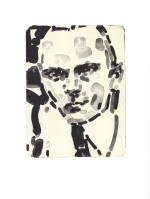
Elizabeth Peyton
Kristian, 2014
Limited Edition Print
Lithograph
USD 4,000 - 6,000
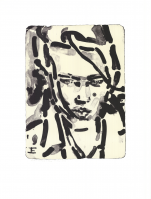
Elizabeth Peyton
Elias, 2014
Limited Edition Print
Lithograph
Inquire For Price
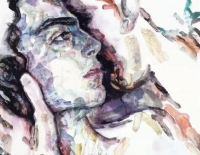
Elizabeth Peyton
Elio, Oliver (Call Me By Your Name), 2023
Limited Edition Print
Silkscreen
GBP 3,350

Elizabeth Peyton
Frederick Douglass, 2023
Limited Edition Print
Linocut
EUR 1,750

Elizabeth Peyton
Jackie And John, 2000
Limited Edition Print
Lithograph
Currently Not Available
Related Artists


Related Articles

Collecting - March 26, 2023
Are You Buying the Real Thing? Authenticity, Provenance and the Art Dealer's Checklist
Learn how to verify the authenticity of art with expert tips on provenance, certificates, and dealer checklists. Protect your investment with informed buying. Read More

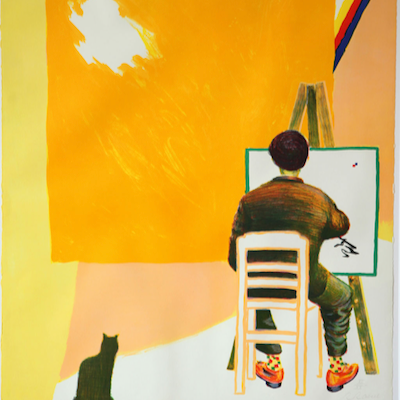
What is new figuration?
Neo-Figurative Art is a collective term that refers to the revival of figurative art in America and Europe during the 1960s, following a period dominated by abstraction. Michel Ragon, a French art critic, argued that this resurgence of figuration occurred during a critical time of social and political upheaval in both regions.