
Détails
Artiste
Styles
Edition of 12 unique painted plaster-casts with individual worked over “snake’s heads” - cast: ca. 32 x 30 x 7 cm - box: ca. 40 x 36 x 10 cm Inside is a loose 2-colour-print (signed, numbered, titled) as a certificate the snakestone-item is monogr., titled, numbered in white on the backside the box has on it's lid a label after the artist's sketch. The Snakestone is wrapped in a woven cotton blanket.
Détails
Artiste
Styles
Edition of 12 unique painted plaster-casts with individual worked over “snake’s heads” - cast: ca. 32 x 30 x 7 cm - box: ca. 40 x 36 x 10 cm Inside is a loose 2-colour-print (signed, numbered, titled) as a certificate the snakestone-item is monogr., titled, numbered in white on the backside the box has on it's lid a label after the artist's sketch. The Snakestone is wrapped in a woven cotton blanket.
- Ajouté Récemment
- Prix (elevé - bas )
- Prix (bas - elevé )
- Année (elevé - bas )
- Année (bas - elevé )

Mark Dion
My Most Priceless Treasure (unicorn), 2004
Sculpture / Objet
Mixed Média
EUR 8,400

Mark Dion
Emanations Of The Earth, 2017
Sculpture / Objet
Plâtre
Actuellement Indisponible
ARTiSTES ASSOCIÉS À


Articles Liés
Populaire, Collectionner - July 23, 2025
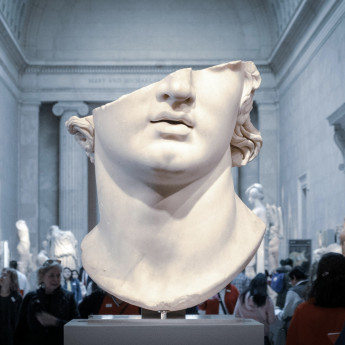
Entretien et Mise en Valeur des Sculptures : Des Socles aux Piédestaux dans Votre Intérieur
Comment exposer et entretenir une sculpture chez soi : lumière, placement et soins selon les matériaux. Lire Plus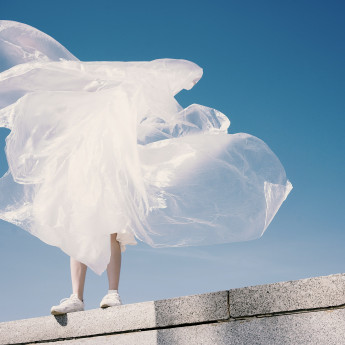


Artwork by Marcel Duchamp
Qu'est ce que l'objet trouvé?
Objet trouvé est un terme utilisé pour décrire un objet fabriqué par l'homme ou naturel, ou un fragment de celui-ci, qu'un artiste découvre ou achète et conserve pour s'en inspirer ou en faire une œuvre d'art. L'artiste peut également modifier l'objet ou l'intégrer dans un collage ou un assemblage, le transformant ainsi en une nouvelle œuvre d'art.
RéCEMMENT VU
-->